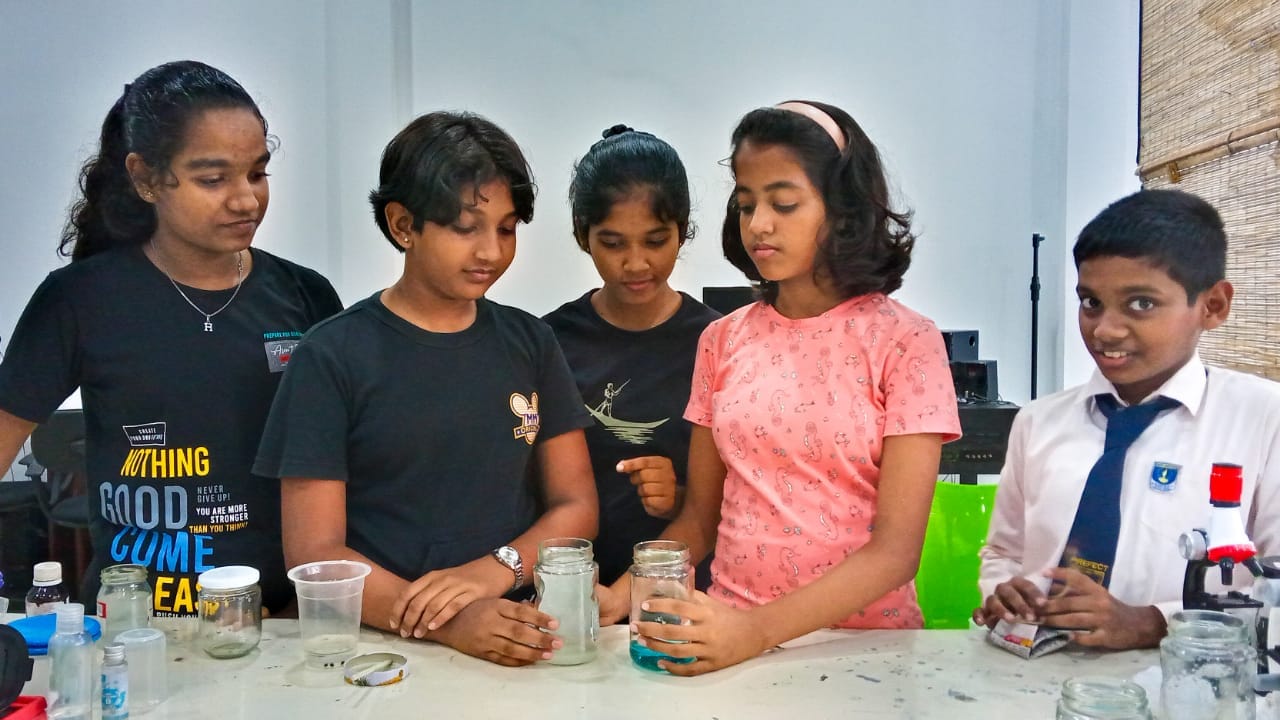
STEAM education is an integrated approach to learning that combines Science, Technology, Engineering, Arts, and Mathematics. This educational model is designed to foster inquiry, dialogue, and critical thinking among students of all ages. Key aspects of STEAM education include:
- Interdisciplinary Learning: STEAM integrates concepts and skills from science, technology, engineering, arts, and mathematics, encouraging students to make connections between these subjects in real-world contexts.
- Innovation and Creativity: The inclusion of the arts in traditional STEM education (Science, Technology, Engineering, Mathematics) emphasizes creative and innovative thinking. This approach encourages students to think more broadly and to approach problems in new and innovative ways.
- Problem-Solving Skills: STEAM education focuses on hands-on learning and problem-solving. Students engage in projects that require them to use skills from various disciplines to find solutions to complex problems.
- Technology Integration: Technology plays a significant role in STEAM education. Students use modern technology to conduct research, create projects, and solve problems, preparing them for a technologically advanced world.
- Collaboration and Teamwork: STEAM encourages collaborative learning. Students work in teams to complete projects, which helps develop communication and teamwork skills.
- Real-World Applications: STEAM education emphasizes the application of learning to real-world situations. This approach helps students understand the relevance of their studies and how they can be applied in everyday life and future careers.